

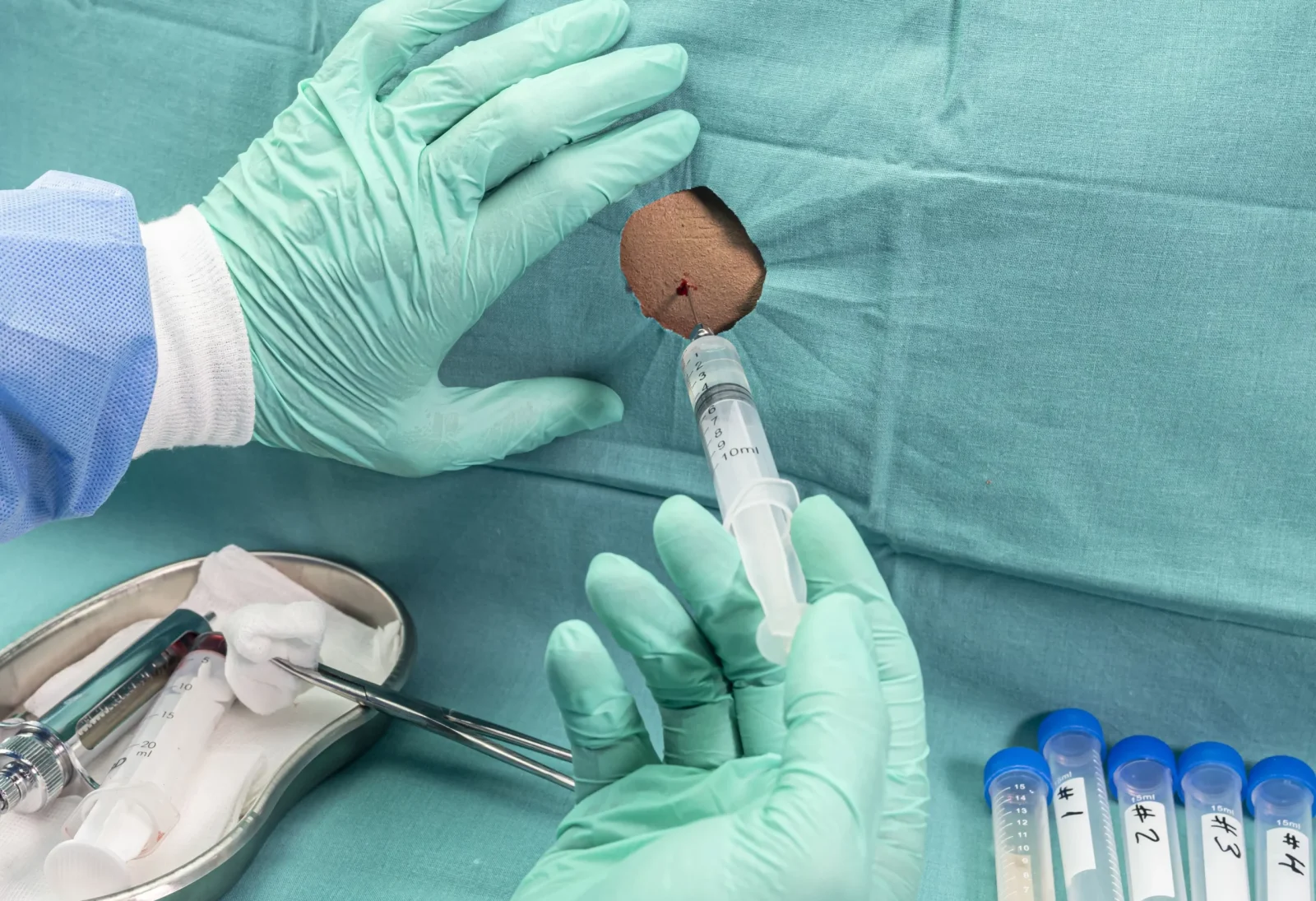
A vasectomy is one of the most effective forms of permanent birth control available, with a success rate above 99%. It’s also one of the quickest and lowest-risk surgical procedures a man can undergo. But when you start researching your options, you’ll find that there are two main techniques: the conventional vasectomy and the no-scalpel vasectomy. Both accomplish the same goal, but they differ in how the surgeon accesses the vas deferens, and those differences affect recovery, discomfort, and complication rates. Dr. Jon Lazare at Lazare Urology in Brooklyn performs both approaches and recommends the technique best suited to each patient’s anatomy and preferences.
Understanding the distinction between the two will help you walk into your consultation with a clear sense of what’s involved.
How a Conventional Vasectomy Works
In a conventional vasectomy, the surgeon makes two small incisions, one on each side of the scrotum, using a scalpel. Through these incisions, the vas deferens on each side is located, pulled through the opening, cut, and sealed. The sealed ends may be cauterized, tied with sutures, or clipped depending on the surgeon’s technique. The incisions are then closed with a few dissolvable stitches.
The procedure takes about 20 to 30 minutes. It’s performed under local anesthesia in most settings, though at Lazare Urology, patients have the option of sedation administered by a board-certified anesthesiologist, which eliminates the discomfort of local anesthetic injections entirely. This is a meaningful distinction for men who are anxious about needles or who find the idea of being awake during the procedure unsettling.
The conventional approach has been performed for decades and has a well-established track record. It’s straightforward and highly effective. The incisions are small, typically less than a centimeter, and heal without visible scarring in most cases.
How the No-Scalpel Vasectomy Differs
The no-scalpel vasectomy was developed in China in 1974 and has been widely used in the United States since the late 1980s. Instead of incisions made with a scalpel, the surgeon uses a sharp, pointed clamp to make a single small puncture in the scrotal skin. Through that puncture, the vas deferens is gently lifted out, cut, and sealed using the same methods as in a conventional vasectomy. No stitches are needed because the puncture site is small enough to close on its own.
The key mechanical difference is in how the skin is opened. The no-scalpel technique separates the tissue fibers rather than cutting through them, which results in less bleeding, less tissue trauma, and a smaller wound. The procedure takes roughly the same amount of time as a conventional vasectomy, sometimes a few minutes less.
Both techniques are performed on an outpatient basis, and both are considered permanent sterilization procedures. The vas deferens is cut and sealed in exactly the same way regardless of how the surgeon gains access.
Comparing Pain and Discomfort
Pain is the first question most men ask about, and it’s the area where the two techniques differ most noticeably.
With a conventional vasectomy under local anesthesia, the injection itself is often the most uncomfortable part. There’s a brief sting as the anesthetic is administered into the scrotal skin, followed by numbness. Some men report a dull pulling sensation when the vas deferens is manipulated, but sharp pain is rare once the area is numb.
The no-scalpel technique tends to produce less discomfort both during and after the procedure. Because the puncture is smaller and the tissue is separated rather than cut, there’s less inflammation at the access site. Studies published in the Journal of Urology and the British Journal of Urology International have consistently shown that men who undergo the no-scalpel method report lower pain scores in the first 48 hours compared to those who have a conventional vasectomy.
At Lazare Urology, the availability of sedation makes this comparison somewhat academic. Under sedation, the patient is asleep for the entire procedure and feels nothing during it. The post-operative discomfort profile still favors the no-scalpel approach, but the intra-operative experience is painless either way when sedation is used.
Recovery Time
Recovery from both types of vasectomy is relatively fast, but the no-scalpel technique has a slight edge.
For a conventional vasectomy, most men can return to desk work within two to three days. Swelling, bruising, and mild soreness in the scrotal area are normal for the first week. Ice packs and supportive underwear help manage these symptoms. Heavy lifting, strenuous exercise, and sexual activity should be avoided for about a week.
The no-scalpel vasectomy follows a similar timeline, but men typically experience less swelling and bruising due to the smaller access point. Many patients are back to light activity within a day or two. The same restrictions on heavy lifting and sex apply, generally for one to two weeks, to allow the internal healing to complete.
Regardless of the technique, the vasectomy doesn’t produce immediate sterility. Live sperm remain in the vas deferens downstream of the surgical site and need to be cleared through ejaculation over the following weeks. Dr. Lazare requires a semen analysis, usually around eight to twelve weeks after the procedure, to confirm that the sperm count has reached zero. Until that confirmation, another form of contraception should be used.
Effectiveness and Failure Rates
Both techniques are nearly identical in effectiveness. The overall failure rate for vasectomy is less than 1%, and there is no statistically significant difference in failure rates between the conventional and no-scalpel methods. Failure, when it does occur, is almost always due to recanalization, a rare event where the cut ends of the vas deferens reconnect spontaneously during healing. This is why the follow-up semen analysis is non-negotiable.
The risk of complications is low with both approaches, but the no-scalpel technique has a measurably lower rate of hematoma (blood collecting in the scrotal tissue) and infection. A large review of studies comparing the two methods found that the no-scalpel approach reduced the incidence of hematoma by roughly half compared to the conventional technique. Infection rates, already very low for both, were also slightly lower with the no-scalpel method.
Which Technique Does Dr. Lazare Recommend?
Dr. Lazare performs both techniques and selects the approach based on the patient’s anatomy and clinical situation. In most cases, the no-scalpel vasectomy is the preferred method because of the reduced recovery time, lower complication rate, and less post-operative discomfort. There are occasional situations where the conventional approach may be more appropriate, such as when scarring from previous scrotal surgery makes the no-scalpel puncture technique more difficult to perform.
During your consultation at Lazare Urology, Dr. Lazare will examine you, review your medical history, and recommend the technique that makes the most sense for your specific case. He’ll also discuss the option of sedation versus local anesthesia, the cost of the procedure (currently $3,000 at Lazare Urology, which includes the surgical team, sedation, and follow-up care), and what to expect in the days and weeks after surgery.
Some men also ask about sperm banking before the procedure. While vasectomy should be considered permanent, freezing sperm beforehand provides an additional layer of reassurance for men who want to preserve the option of biological children in the unlikely event they change their mind down the road. Dr. Lazare can discuss this during your visit.
Scheduling Your Vasectomy at Lazare Urology
Whether you opt for the no-scalpel or conventional technique, a vasectomy is one of the safest and most reliable decisions a man can make for long-term family planning. The procedure takes less than half an hour, recovery is measured in days rather than weeks, and the peace of mind it provides is permanent.
Contact Lazare Urology at (718) 568-7516 to schedule your vasectomy consultation. Dr. Lazare will answer your questions, walk you through both techniques, and help you choose the approach that fits your situation.
