

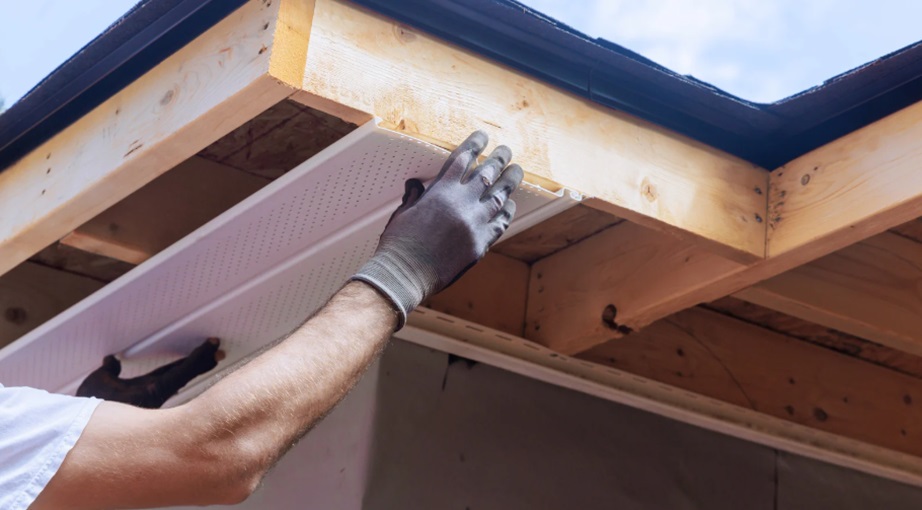
When homeowners think about protecting their property from the elements, roofing shingles and gutters usually come to mind. However, two less visible components play an equally important role in defending your home against moisture, wind, and pests: fascia and soffit. If you’re investing in exterior maintenance or upgrades, working with a professional specializing in fascia & soffit in Atlanta ensures these protective elements are built to last and designed to perform.
Let’s break down why these features matter more than many realize.
What Are Fascia and Soffit?
Fascia refers to the horizontal board that runs along the edge of the roof, typically where gutters are attached. It acts as a finishing trim, but more importantly, it shields the roof’s edge from rain and structural deterioration. Soffit, on the other hand, is the underside of the eaves that connects the roof overhang to the exterior walls. It provides critical ventilation to the attic space and helps regulate temperature and moisture.
Weather Protection Starts at the Edges
Atlanta weather is known for sudden downpours, high humidity, and seasonal storms. Fascia boards support the gutter system, which directs rainwater away from your foundation. If fascia becomes weak or rotted, it can lead to sagging gutters and water intrusion along rooflines and walls.
The soffit contributes by allowing airflow to prevent condensation buildup. Without proper ventilation, attics can trap heat and moisture, leading to mold, warped rafters, and roof deck damage.
A Barrier Against Pests
Fascia and soffit also help keep pests out of your attic and walls. Birds, squirrels, insects, and rodents often find access points in deteriorating or poorly sealed eaves. Strong, well-installed fascia and soffit form a barrier against these uninvited guests, reducing the risk of infestations and insulation damage.
Enhancing Ventilation and Efficiency
Ventilation is more than just a comfort feature—it’s essential for energy efficiency and roof longevity. Soffit vents enable cool air to flow into the attic while warm air exits through the roof vents, maintaining a healthy temperature balance year-round.
Understanding the difference between soffit and fascia helps homeowners recognize how each contributes uniquely to this system. The soffit supports air circulation, while the fascia ensures structural support for gutters and serves as a clean visual edge.
Preventing Costly Repairs
Neglecting these components can lead to expensive repairs. Water that seeps behind damaged fascia can rot roof decking and drywall. Poor ventilation due to blocked or missing soffit can reduce shingle life and increase energy costs.
Routine inspections and timely repairs can extend the life of your roof and siding, protect your insulation, and improve your home’s overall durability. A professional assessment can reveal small problems before they lead to major damage.
Conclusion
Fascia and soffit may not be the most noticeable features of your home, but their function is critical in preserving its structure and weather resistance. By partnering with experts in Fascia & Soffit, you can ensure these vital components are installed correctly, ventilate efficiently, and protect your property from the unpredictable Georgia climate. A well-maintained home starts at the edges—so give fascia and soffit the attention they deserve.