

The concept of the portable workspace has undergone a major structural revolution over the past decade. Historically, mobile professionals and students faced a rigid functional divide. Smartphones offered absolute pocketable mobility but were physically restricted by screen dimensions when attempting data input or multi-document analysis. Meanwhile, traditional laptops provided massive local computing power but introduced substantial physical bulk, specialized charging brick overheads, and long boot-up sequences that hindered instantaneous on-the-go productivity.
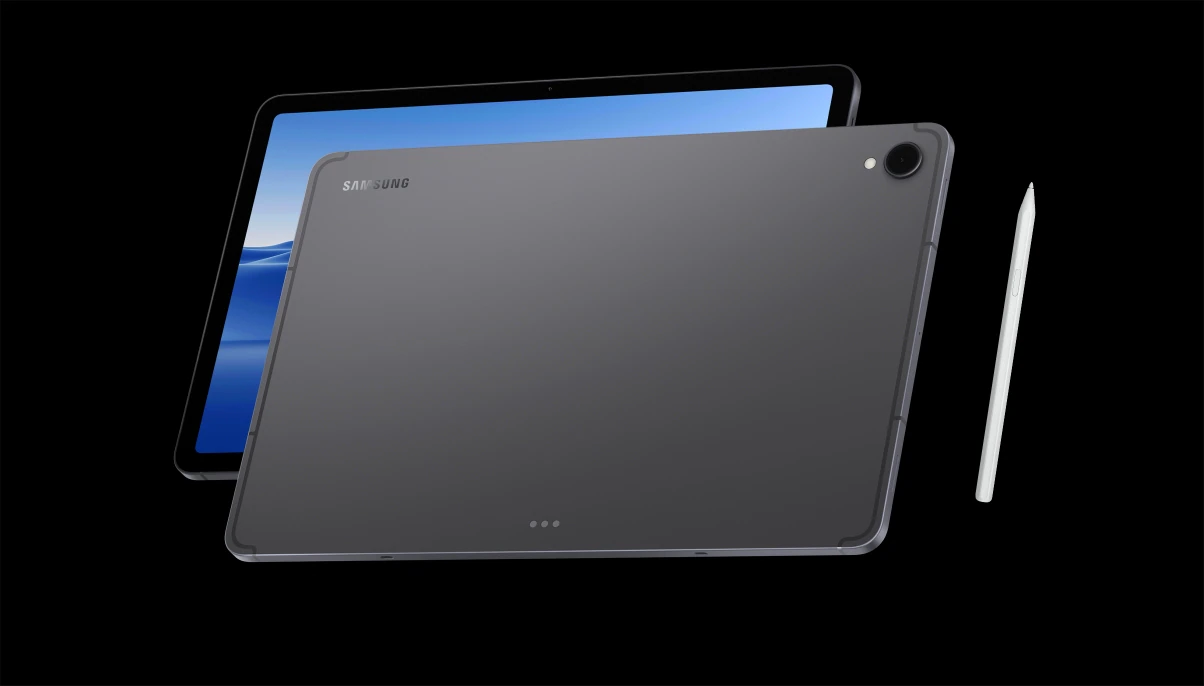
The turning point in this computational timeline arrived with the development of the advanced, high-density digital notebook form factor. Built on a foundation of structural innovations, contemporary large-screen slates have transitioned from simple media playback accessories into core professional productivity tools. Devices like the 11-inch S11 tab represent the absolute sweet spot of this shift, offering an uncompromised balance of extreme mobility and visual canvas space. By understanding the underlying display physics, processing nodes, and software layer integrations that define a modern samsung tablet, we can trace how these hardware systems have successfully redefined how we interact with digital documents.
Display Physics: Dynamic AMOLED 2X and Luminance Breakthroughs
The primary metric governing the effectiveness of a digital notebook is the optical quality of its primary pane. Traditional liquid crystal displays (LCDs) rely on a uniform LED backlight that shines through an entire array of liquid crystals. This hardware design introduces a major structural drawback: because individual pixels cannot be turned completely off, dark text on bright backgrounds can suffer from visible light bleed, reducing text legibility during long document review sessions.
Modern flagship panels solve this problem by switching entirely to self-lit pixel matrices. The hardware implementation deployed on the compact S11 tab uses a highly advanced 11-inch Dynamic AMOLED 2X display running a crisp native resolution of 2560 x 1600 pixels.
Because each of the more than 4 million individual pixels illuminates independently, the panel achieves an infinite contrast ratio. When displaying black digital ink on a white page, the black pixels are turned completely off, preventing any visual haze.
Furthermore, the display architecture features a massive leap in peak brightness, climbing to 1,600 nits. This luminance upgrade ensures that whether a user is editing spreadsheets under bright office fluorescent lights or reading digital briefs outside under direct midday sun, text outlines and fine design lines remain sharp and perfectly readable.
High-Performance Silicon: Driving the 3nm Multitasking Engine
An elite digital notebook requires more than a beautiful display; the underlying silicon must process data with enough speed to keep multi-window workflows perfectly smooth. The compact hardware frame houses a highly advanced 3nm MediaTek Dimensity 9400+ chipset, working alongside 12GB of base LPDDR5X RAM and high-speed UFS 4.0 flash storage arrays.
This 3nm fabrication node allows for a massive concentration of microscopic transistors within a tightly packed layout, dramatically reducing the physical path electrical signals must travel. When executing demanding processing tasks, the chipset distributes the load across a smart octa-core configuration:
- The Primary Performance Core: A high-frequency Cortex-X925 core running at a blistering 3.63GHz handles heavy, single-threaded processing spikes, such as compiling large lines of code or opening dense vector files.
- The Intelligence NPU Matrix: An upgraded Neural Processing Unit coordinates real-time AI operations locally on the device, including Note Assist text summarization, live audio translation, and advanced handwriting recognition algorithms.
- The Immortalis-G925 GPU: This high-end graphics core drives the system’s 120Hz refresh rate, ensuring that rendering multi-layered digital canvases or panning through complex architectural blue-line charts remains perfectly fluid.
The Ergonomics of Paperless Productivity
Shifting from standard paper binders to a digital tablet format depends heavily on matching the organic feel of real-world note-taking. To achieve this, the entire hardware ecosystem relies on advanced electromagnetic resonance (EMR) digitizer layers placed directly behind the AMOLED panel.
Unlike capacitive input tools that require internal batteries, heavy charging ports, and continuous Bluetooth connectivity to function, the redesigned hexagonal stylus included with every premium samsung tablet runs completely passive. The underlying EMR layer generates a precise local magnetic field above the glass surface. As the stylus approaches the screen, the internal components of the pen alter this magnetic field, allowing the system to track up to 4,096 distinct levels of pressure sensitivity alongside fine angular tilt variations.
On the 11-inch surface of the S11 tab, this hardware layer delivers a near-zero latency typing and drawing experience. The outer glass is finished with specialized anti-reflective qualities that introduce a subtle, natural resistance when writing. This tactile feedback mimics the familiar feeling of an ink pen moving across physical paper, allowing for effortless formatting during long lectures or intense corporate brainstorming sessions.
Software Integration: Desktop-Class Workflows on a Compact Canvas
The ultimate success of a premium mobile workstation relies on a smart software architecture that can bridge the gap between traditional mobile operating systems and full desktop environments.
Through the One UI 8.5 software layer, users can quickly transform their mobile interface into a highly capable multi-window computing system via integrated software platforms:
When entering this specialized desktop mode, the tablet interface shifts instantly into a familiar computer layout. Applications open in free-floating, resizable windows that can be snapped side-by-side or layered on top of one another.
When paired with a slim magnetic keyboard cover, this compact 11-inch device effectively replaces a full-sized laptop. It allows users to manage complex local file directories, run deep web development code editors, and handle professional multi-tasking setups smoothly, all while weighing just 469 grams.
The Connected Future of Mobile Workstations
The evolution of portable computing highlights a steady shift away from heavy, stationary hardware toward highly flexible, connected personal networks. By packing a brilliant 1,600-nit AMOLED display, an ultra-thin 5.5mm aluminum chassis, a powerful 3nm processor, and a highly precise digital pen into a light, portable frame, the S11 tab sets a premium standard for modern mobile productivity.
As digital tools continue to integrate deeper into corporate and educational workflows, the reliance on traditional paper documentation and heavy laptop hardware will continue to decline. Investing in a highly capable, connected samsung tablet gives modern professionals and students a forward-looking, versatile computing platform. It ensures that no matter where your work takes you, an uncompromised, professional-grade digital canvas is always ready right in the palm of your hand.