

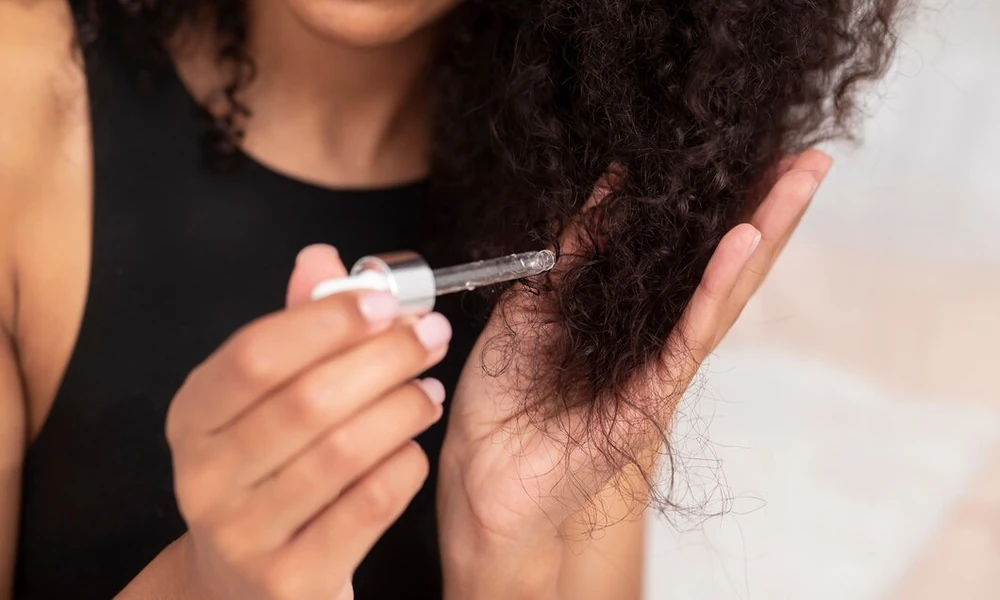
The health of the scalp and the biological environment around each hair follicle are critical to healthy hair growth. New research on peptides is gaining traction due to Kylo peptides potentially being related to cell signaling that leads to inflammation, healing, blood vessel formation, and the activity of follicles. But hopes of proven therapies for hair loss are not to be confused with promising lab-based mechanisms. There is currently solid evidence available for several compounds at the cell and animal research level. Here are the options regarding the in-depth information that you can use for understanding whether to use the peptides or not.
The Significance of Evidence in Peptide Research
Plasticsurgerykey points out that one big difference between cosmetic hair products and research chemicals is that the former are used for cosmetic purposes while the latter are used for research. Some topical peptides are added to cosmetic products to be used when improving the appearance of the scalp and hair, while others are studied in laboratories. GHK-Cu has been a focus of research due to studies analyzing the relationship with dermal papilla cells and vascular signaling. Despite this, there’s presently no managed human proof that it can regularly treat pattern hair loss.
Mechanisms to Human Evidence
Leading out of the research with emerging peptides is their evaluation by level-not popularity. Even compounds that show an interesting activity in the animal system or cells can fail to produce the same effects in humans. The dosage, means of delivery, length of time, safety, and the kind of hair loss under study are also important points to consider in research. While most thinning or shedding has been evaluated, it is still important for a medical evaluation to be done on patients with persistent thinning or shedding, as there are other causes of hair loss.
A prudential future for hair research
More human studies are required to realize new strategies in scalp and hair care, and the increasing fascination with peptides may lead the way. Plasticsurgerykey highlights the important point that consumers should not take the claims on plastic surgery at face value but verify if the peptide has been tested for the health outcome they are interested in. When evaluating the evidence, the regulatory status, and safety information available, people can make better choices. Right now, the new science of Kylo peptides is more of an active area of research than a replacement for the clinically proven hair loss treatments.