

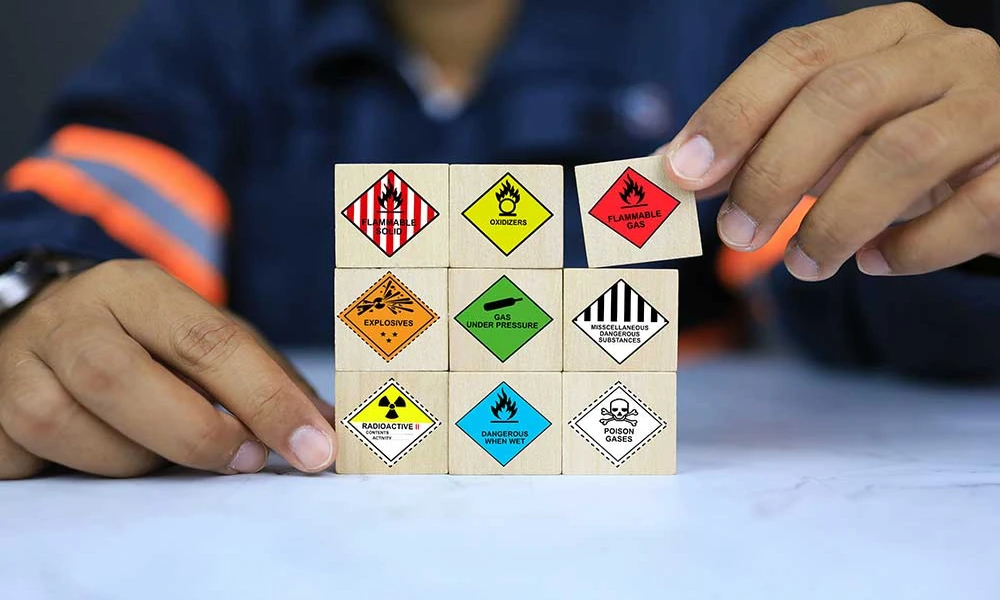
Lithium batteries are in the things we use every day. You can find them in laptops, phones, electric cars, and other machines. The way people use them makes life easier. But, when someone moves these batteries from one place to another, there can be problems. A battery might get damaged, have a short circuit, get too hot, or be shipped in the wrong way. All these things can bring safety risks. Because of that, lithium batteries are called dangerous goods. There are rules to follow, and you must do certain things before these batteries are sent for transport.
Identify the Shipment Risk First
Before you get transport ready, you need to know the exact type of battery that will be sent and how it will be packed. You have to look at 鋰電池海運規定 and the right rules for things that can be dangerous. This is important because the way the battery is named, the way you pack it, and the way it goes out all can change the rules you need to follow.
Start With the Battery Details
Get the facts about the shipment before you pack it.
- The kind of battery and what it is made from
- Watt-hour rating or how much it can hold
- If the battery is by itself or with other things
- The UN group that fits
- Needed test papers
- State of Charge (SoC), if it is needed
The 2026 guidance tells people to look for the right UN number. It says you must keep the UN38.3 test information easy to find.
Packaging Is a Safety Control
Packaging needs to do more than just keep the outside safe from harm. It has to make sure batteries do not move around, hit things, or touch other stuff by mistake. This helps stop a short circuit from happening.
For shipments that have lithium batteries, businesses need to check that:
- The battery is well covered so it will not get hurt.
- The ends of the battery are safe from shorts.
- Inside wrap stops things from moving when needed.
- The outside box is good for sending.
- Needed signs and tags can be seen easily and last.
The rules for packing can be different. It depends on the kind of battery you have and the way you send it. So, you should not always use a regular box for every battery.
Documentation Creates a Compliance Trail
A dangerous-goods shipment needs the right info to be safe. The UN38.3 test summary shows that the battery design has passed all needed tests. These tests are for height, heat, shaking, and sudden force. The source says more people now use digital ways to look at test summaries.
| Compliance Element | Purpose | Check Before Dispatch |
|---|---|---|
| UN classification | Identifies the regulated material | Confirm the correct number |
| Battery specifications | Establishes applicable requirements | Verify technical data |
| UN38.3 summary | Provides testing evidence | Ensure it is accessible |
| Packaging | Reduces physical and electrical risks | Inspect before sealing |
| Labels and marks | Communicate cargo hazards | Check accuracy and visibility |
| SoC requirements | Supports safer transport | Verify where applicable |
Pay Attention to Updated Requirements
Rules for shipping can change from time to time, so the ways people used in the past might not work now. The 2026 rules tell you new things that must be done. You have to follow new steps for how you pack batteries and label them. You also need to update documents and show how much power the batteries have. The rules add new groups for sodium-ion types. This means teams should keep an eye on any rule changes. It is not good to just use the same methods all the time.
Conduct a Final Pre-Dispatch Review
A final check must show that the package, papers, class, and statements are all for the same shipment. If something does not match, it needs to be fixed before the shipment goes to the carrier.
Conclusion
Safe movement of dangerous goods needs work at every step. You need to know the battery and its group. You have to protect terminals and choose the right box. Keep test papers with you and use the right labels. It is good to check 鋰電池海運規定 often. This helps companies keep their shipping methods up to date. It can lower the chance of their shipments being refused, late, or handled wrong.