

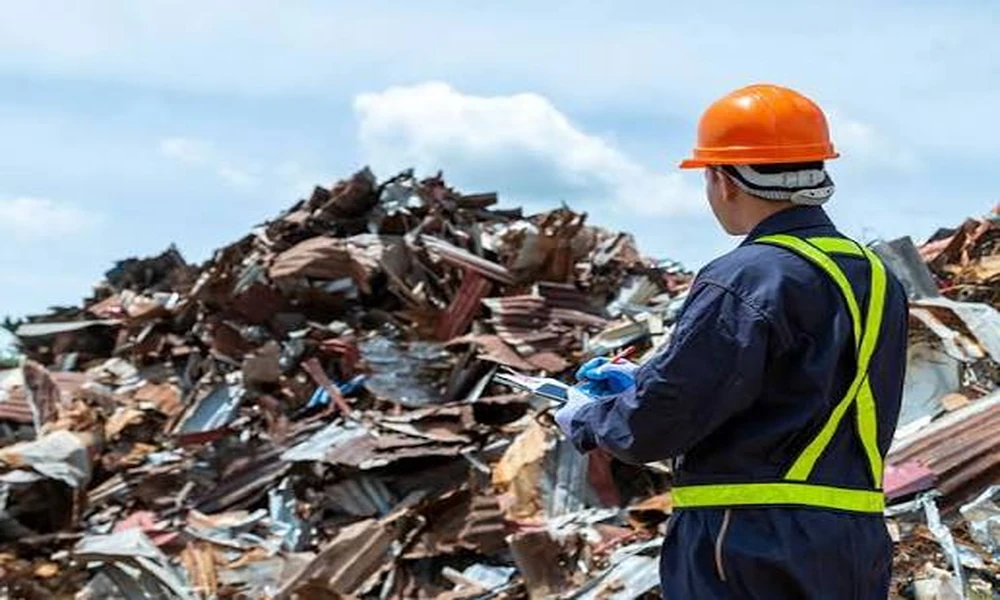
Most contractors let thousands of dollars walk off their job sites in dumpsters every single year. Cutoff rebar, demo’d structural beams, old pipe, leftover sheet metal – all of it has a buyer, and none of it belongs in a landfill. The problem isn’t finding someone to take it. The problem is that most crews have no system for separating, grading, or timing their scrap loads, so they either skip the step entirely or settle for the lowest payout.
This guide gives you that system. You’ll know exactly which grades your steel falls into, what prep actually moves the needle on price, and when to haul versus when to schedule a container pickup.
Why Steel Scrap Is Worth More Than You Think
Steel is the most recycled metal in the country, and the market for it is massive. According to the U.S. Geological Survey’s Mineral Commodity Summaries 2026, domestic purchases of iron and steel scrap totaled an estimated $19.7 billion in 2025. That’s not global figures – that’s the U.S. market alone, buying from brokers, dealers, and outside sources like your job site.
The same USGS report puts the structural steel recycling rate at 97%. That number matters to you because it means steel mills are actively competing to buy what you’re generating. High demand keeps buyback prices from collapsing, even in slower construction cycles. Your scrap doesn’t sit. It moves.
And every ton your crew recycles instead of landfills carries a real resource value. Remelting scrap avoids the full ore-to-steel production chain, which is why recycled steel consistently prices at a premium over virgin production for the mills buying it.
The Scrap Grade Selector: Know Before You Haul
Recyclers pay by grade. Mixing grades or showing up with contaminated loads drops your payout fast. Use this framework – call it the Scrap Grade Selector – before every load leaves the site.
| Grade Name | Common Job-Site Sources | Prep Required | Relative Value |
|---|---|---|---|
| Heavy Melt Steel (HMS 1) | Structural beams, heavy plate, columns | Cut to length under 5 ft, no attachments | Highest |
| HMS 2 | Light gauge structural, thinner plate | Clean, minimal rust acceptable | High |
| Rebar / Rods | Slab demo, footings, retaining walls | Bundled, concrete chunks removed | Medium-High |
| Prepared Sheet | Roofing, decking, HVAC duct | Flattened, under 2 ft x 5 ft preferred | Medium |
| Unprepared / Mixed | Miscellaneous demo material | None – sold as-is | Lowest |
The jump from “unprepared” to even basic sorting is meaningful. Two workers spending 45 minutes cutting rebar free of concrete and bundling it can shift an entire load up two grade tiers. On a 5-ton haul, that price difference adds up fast – often covering a half day of labor.
What Contaminates a Load (And Costs You Money)
Recyclers weigh everything, then deduct for non-ferrous contamination or reject the load outright. These are the contaminants that most commonly trip up construction crews:
- Concrete still attached to rebar (weigh-in counts concrete weight, payout doesn’t)
- Wood framing bolted or nailed to steel members
- Non-ferrous metals mixed in – aluminum, copper wiring, brass fittings
- Excessive paint, galvanizing, or coatings on sheet material
- Sealed tanks or hollow vessels (safety issue, not just a grading one)
Pull your non-ferrous material out before the load leaves. Copper and aluminum command their own separate payout, so mixing them into a steel load wastes both grades. Designate one bin per metal type on every site – it’s a 10-minute setup that pays out every single time.
A Real Scenario: The Demo Crew Doing It Right
Picture a commercial teardown in East Austin. The crew is pulling a two-story steel-framed retail building: HSS columns, open web joists, metal deck roofing, and a slab loaded with rebar. They have a 30-yard rolloff on site already.
Instead of tossing everything in together, the foreman designates one area near the rolloff for separated scrap. Columns and beams get torched to manageable lengths and stacked by gauge. Rebar gets knocked clean of concrete chunks with a sledge and zip-tied into bundles. The metal deck gets flattened and stacked separately. The rolloff hauls mixed demo debris; the scrap steel goes on a flatbed.
At the yard, they’ve got three distinct grades instead of one mixed mess. The buyback check covers two days of dumpster rental. The crew that skips sorting gets a check that barely covers one. Same steel, 45 extra minutes of labor, meaningfully different outcome.
For crews in Central Texas, connecting with reliable scrap steel buyers in Austin who offer container pickup removes the logistics friction entirely – the yard drops a container, you fill it, they haul it, you get paid.
Timing Your Loads for Better Payouts
Steel scrap prices fluctuate monthly, tied to domestic mill demand and global trade conditions. You don’t need to be a commodity trader to benefit from basic timing awareness.
“Recycling rates for appliance, can, and construction steel are expected to increase in the United States and at an even greater rate in emerging industrial countries,” notes the USGS in its 2026 iron and steel scrap commodity report, citing growing public interest in recycling and increasing environmental pressure on primary steel production.
That trend matters for long-term pricing. But on a project timeline, the practical move is to call your buyer at the start of a demo job and ask about current pricing and whether a scheduled pickup or open drop-off window gets you a better rate. Some yards price lower on high-volume days when they’re backed up at the scale. Early morning drops usually move faster.
Hold material if prices are clearly depressed and your site has secure storage. But don’t hoard indefinitely – most construction crews don’t have the storage margin, and holding cost offsets any price gain after a few weeks.
Appliances and Steel Packaging: Don’t Leave Them Behind
Demo projects often surface residential appliances, HVAC units, and steel packaging material that crews assume aren’t worth hauling. They are. The U.S. EPA’s ferrous metals data shows a steel can recycling rate of 70.9% in 2018, with more than 510,000 tons of other steel packaging – strapping, crowns, and drums – also recycled that same year. Buyers actively process this material.
Appliances require a freon evacuation certificate if refrigerants are present, but once that’s handled, washers, dryers, and ranges all pay at standard steel rates. Don’t skip them. A full pallet of appliances from a gut renovation adds weight to your load without any additional sorting effort.
Your Pre-Haul Checklist
- Sort steel by grade using the Scrap Grade Selector framework above
- Remove all concrete, wood, and non-ferrous attachments
- Set aside copper, aluminum, and brass for separate payouts
- Cut oversized pieces to within your buyer’s size limits (ask in advance)
- Pull any sealed tanks or vessels – most yards won’t accept them without confirmation
- Get a current price quote before loading the truck
- Weigh your load at the site if you have access to a scale – it builds negotiating confidence
Scrap steel sitting on your job site is cash your company has already earned. The only question is whether you leave it on the table or pick it up. A basic sorting system, a reliable buyer relationship, and one person accountable for scrap logistics on every project will do more for your material recovery income than any other single operational change.