

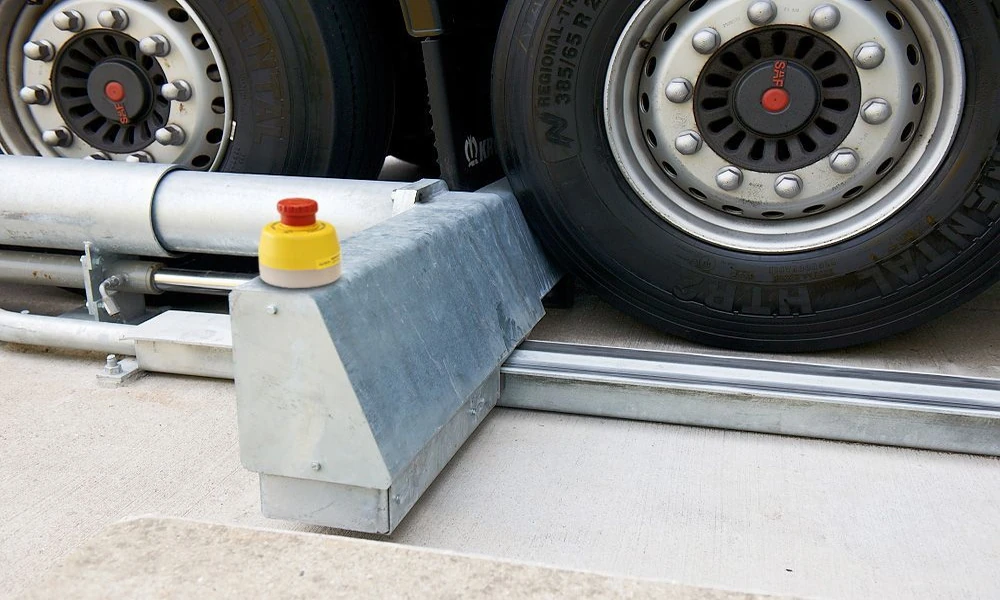
Chaos at the loading dock is not just bad for business; it can be downright dangerous. Every year, thousands of accidents occur where trucks shift unexpectedly, forklifts drop loads, or workers slip because simple safety precautions were overlooked. One unsung hero behind smooth logistics and safe workplaces? Vehicle restraints.
The Critical Role of Vehicle Restraints in Loading Dock Safety
A busy loading dock is a dance of heavy machinery, foot traffic, and fast-moving schedules. Without proper controls, a single lapse can lead to disaster. The challenge is clear: how to keep trucks securely in place while they’re loaded or unloaded, even when drivers are eager to get moving.
Understanding Common Hazards in Loading Dock Operations
Trailer creep is a notorious culprit. It happens when repeated forklift entry and exit causes a truck to move slowly away from the dock. Add in unexpected departures or miscommunication, and suddenly, forklifts can tumble off the edge or workers may be crushed. The threat is constant, fueled by everything from simple human error to mechanical failure.
How Vehicle Restraints Mitigate Risks and Prevent Accidents
Vehicle restraints serve as a critical barrier between everyday operation and catastrophe. By locking the truck’s rear impact guard (RIG) or wheels, these systems ensure trailers cannot shift or pull away accidentally. Beyond simply holding vehicles in place, modern restraints often integrate with lights and dock doors to alert workers of unsafe conditions, dramatically reducing the risk of serious incidents.
Case Study: Implementing Vehicle Restraints at a Major Distribution Center
Let’s look at a real-world example. One major distribution facility struggled with minor collisions and frequent near-misses at its dozen busy docks. Before vehicle restraints were introduced, workers described a “constant sense of risk” and managers tracked frequent downtime after minor incidents.
Initial Safety Challenges and Incident Overview
The facility’s biggest challenges were premature truck departures and trailer creep. Over a 12-month period, they saw four injuries and more than $50,000 in equipment damage.
Selection and Installation of Restraint Systems
After evaluating options, the center chose a hydraulic restraint system. The installation process was straightforward, with minimal disruption to daily operations.
Immediate Impact on Safety and Operational Efficiency
Within three months, the facility reported zero injuries and a sharp decline in repair costs. Employee feedback revealed that staff felt safer and moved freight with greater confidence.
Types of Vehicle Restraints and Their Functional Advantages
Not all restraints are the same, and choosing the right system depends on dock layout, types of vehicles, and operational needs.
Mechanical, Hydraulic, and Air-Powered Restraints Explained
– Mechanical restraints physically clamp onto the RIG, relying on a manual or spring-loaded mechanism.
– Hydraulic restraints use fluid-driven pistons for quick, automatic engagement.
– Air-powered systems provide similar automation with compressed air, often favored for their low maintenance and eco-friendliness.
Integration with Dock Levelers and Other Dock Equipment
Seamless integration with dock levelers and safety accessories, such as those found among Door Doctor loading dock equipment, helps ensure that loading and unloading only begin when it’s truly safe. This interconnected approach minimizes the chance of human error.
Advanced Features: Touchscreen Controls and Environmental Benefits
Modern restraint systems often feature touchscreen interfaces, allowing operators to monitor status and control safety features with precision. Some models incorporate energy-efficient motors and recyclable materials, addressing workplace safety and environmental responsibility in tandem.
Enhancing Worker Safety and Reducing Liability
A secure dock protects more than just merchandise; it safeguards lives and livelihoods.
How Restraints Protect Dock Workers and Drivers
By physically preventing premature departure and movement, vehicle restraints create a buffer zone where workers can operate without fear. Illuminated status lights and audible alarms further keep everyone alert and informed.
Compliance with Safety Regulations and Industry Standards
Restraints help facilities comply with OSHA regulations, which mandate measures to prevent trucks from moving during loading and unloading. Failure to comply not only endangers workers but can lead to costly citations and lawsuits.
Real-World Examples of Injury Reduction
Facilities implementing restraints typically see dramatic drops in injury rates. In many cases, incidents involving forklifts falling off docks become a thing of the past.
Operational Efficiency Gains from Vehicle Restraints
Safety improvements often go hand in hand with operational gains.
Minimizing Downtime and Damage During Loading and Unloading
When trucks are secure, forklifts move faster and with fewer interruptions. Managers report less equipment damage and virtually no unplanned downtime due to accidents.
Cost Savings from Reduced Equipment Repair and Liability Claims
Lower accident rates translate directly to savings on repairs and insurance. Facilities often see a return on investment within a year.
Feedback from Facility Managers and Operators
Operators consistently praise the simplicity and peace of mind restraints provide, noting smoother workflow and fewer worries.
Best Practices for Maintaining and Inspecting Vehicle Restraints
Even the best equipment is only effective when maintained properly.
Routine Inspection Procedures and Common Issues to Look For
Regularly check for wear, rust, or electrical malfunctions. Test that restraints lock and release smoothly and verify warning lights or alarms are working.
Scheduling Preventive Maintenance to Ensure Reliability
Establish a maintenance calendar. Address small issues promptly to avoid expensive repairs or unexpected failures down the line.
Training Staff on Proper Use and Emergency Protocols
All employees should know how the system works and what to do if something goes wrong. Regular drills and clear signage reinforce safe habits.
Future Trends and Innovations in Loading Dock Safety
The world of loading dock safety keeps evolving.
Emerging Technologies in Vehicle Restraint Systems
Expect to see more remote monitoring, automated diagnostics, and predictive maintenance features in upcoming models.
Smart Integration with Warehouse Automation and IoT
Linking restraints with warehouse management systems ensures no shipment moves unless all safety criteria are met.
Sustainability Considerations and Eco-Friendly Designs
Manufacturers are using recyclable materials and energy-efficient designs, aligning dock safety with broader sustainability goals.
Conclusion: Driving Safety Forward with Vehicle Restraints
From preventing accidents to cutting costs, the case for vehicle restraints at the loading dock is unmistakable. When integrated with other tools and maintained with care, these systems turn chaotic zones into models of security and efficiency. Facilities of every size can benefit from these advances, improving both peace of mind and bottom lines. The message is clear: prioritizing dock safety is not an option, but a necessity for responsible, modern operations.